
Import Iranian Osetra Caviar – A Complete Buyer’s Guide for Global Importers
Importing Iranian Osetra caviar isn’t just a business transaction; it’s stepping into a world where tradition, craftsmanship, sustainability, and luxury meet. If you’re a distributor, a gourmet retailer, a fine-dining supplier, or even a private buyer looking for premium Persian caviar, understanding the import process is essential.
So let’s break it down in a simple, clear, and practical way—no confusing terms, no vague promises—just real guidance you can use.
What Makes Iranian Osetra Caviar Worth Importing?
Before talking paperwork and logistics, you need to know why buyers around the world insist on Iranian Osetra.
The short answer?
Flavor, texture, and authenticity.
But let me paint the picture more clearly.
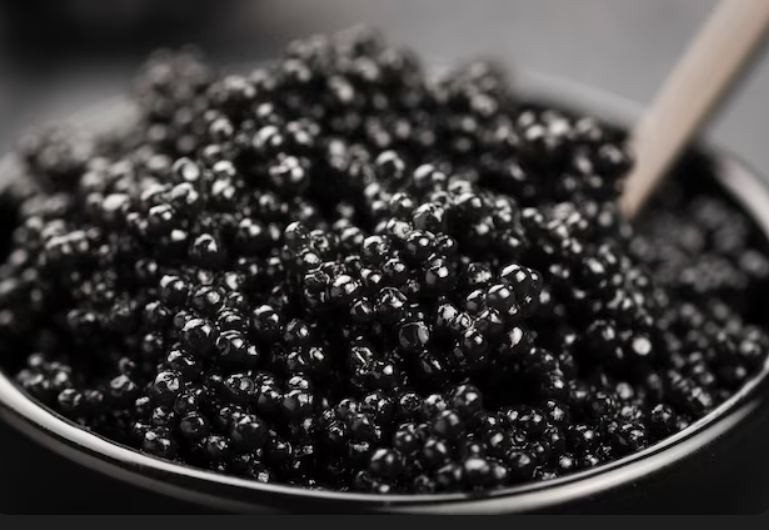
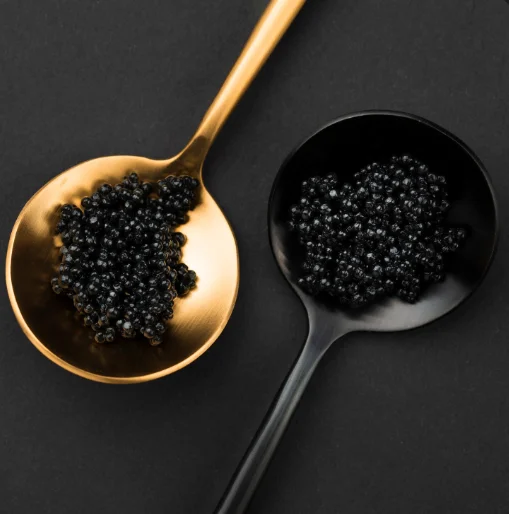
Imagine opening a fresh tin of Osetra. The pearls are medium-large, firm, and shiny—usually in shades of deep olive, golden brown, or jet black. The aroma is clean; nothing fishy or harsh. And when you taste it, the flavor rolls in gradually: buttery, slightly nutty, with a gentle briny finish that feels elegant, not aggressive.
This balance is something Persian Osetra is famous for.
It’s not just “good caviar”—it’s a category of its own.
Why it stands out:
-
Persian sturgeon genetics are among the purest in the world.
-
Iranian aquaculture farms use natural spring water and mineral-rich environments.
-
Low-salt processing (Malossol) keeps the flavor clean and refined.
-
Strict quality control ensures consistent grain size and color.
For importers, this means you’re dealing with a product that practically sells itself—luxury hotels, Michelin-starred restaurants, and gourmet shops love it.
Understanding the Global Demand
Let’s be honest: caviar is not a cheap product. People don’t buy it casually. They expect excellence—and they’re willing to pay for it if they trust the source.
Iranian Osetra is especially in demand in:
-
The UAE (Dubai, Abu Dhabi)
-
Europe (France, Germany, Italy, Spain)
-
East Asia (Japan, South Korea)
-
North America (USA, Canada)
-
Australia & New Zealand
These markets love caviar with personality — not too salty, not too mild, and with real depth of flavor. Iranian Osetra checks all those boxes.
What You Need Before Importing (Documents & Requirements)
Here’s the part where many new buyers get confused. Importing caviar is absolutely doable—just needs correct paperwork.
Essential Documents for Importing Iranian Osetra Caviar
-
CITES permit (Convention on International Trade in Endangered Species)
Required for every shipment of sturgeon caviar worldwide. -
Health certificate
Issued by Iranian veterinary authorities. -
Certificate of origin
Confirms the caviar was produced legally and sustainably in Iran. -
Batch and processing details
Includes harvest date, production method, salt percentage, etc. -
Commercial invoice + packing list
-
HS code for customs
Usually under 1604 for prepared fish products.
Good news:
Reputable Iranian producers handle most of this for you. Your job is mainly to ensure your country accepts the documentation.
Shipping Methods for Importing Iranian Osetra Caviar
Caviar is delicate. Temperature and timing matter more than anything.
Preferred Shipping Method: Air Freight (Cargo)
Fastest, safest, and globally recognized as the industry standard.
Temperature Requirements
-
Storage: 0°C to +4°C
-
Insulation: Special thermal boxes
-
Ice packs: Gel-based, non-melting
A good supplier ships caviar in professional insulated packaging designed to maintain temperature for 48–72 hours.
Shelf Life
Fresh Osetra usually lasts:
3–4 months unopened (Malossol grade)
1–2 days after opening
Wholesale Pricing: What Should You Expect?
Prices change based on:
-
Grain size
-
Color
-
Freshness
-
Season of harvest
-
Global supply/demand
But generally, Iranian Osetra wholesale prices fall between:
per kilogram (wholesale market)
Higher-quality golden Osetra can be more expensive.
If you’re selling in luxury markets, your retail markup may reach 60–200% depending on branding and distribution strategy.
Best Packaging Options for Importers
Packaging matters. Not just for freshness—but also for presentation.
Common Sizes
-
30g – retail buyers
-
50g – restaurants & bars
-
100g – gourmet shops
-
250g / 500g – wholesale & private clients
-
1kg tin – distributors & chefs
Why 1kg tins are popular for importers
They reduce packaging waste
and allow you to portion the caviar later based on buyer demand.
How to Choose a Reliable Iranian Supplier
A lot of people talk about “quality,” but let’s be realistic—you need proof.
Look for these signs:
-
Clear CITES documentation
-
Transparent pricing
-
Photos and videos of the farm
-
Ability to handle large volumes
-
Stable export history
-
Consistent grain size and color
-
Samples available before bulk orders
If a producer hesitates to show their production environment, that’s a red flag.
How Iranian Osetra Compares With Russian Osetra (For Importers)
If you’re trying to decide what market to target, here’s the simple difference:
Iranian Osetra
-
More buttery
-
Slightly sweet finish
-
Bigger grains
-
More affordable
-
High export volume
Russian Osetra
-
Often saltier
-
Stronger aroma
-
Less consistent supply
-
Generally more expensive
Buyers who prefer refined, balanced, luxury caviar tend to choose Iranian Osetra.
Market Positioning: Where to Sell Imported Osetra
Once you import the product, the next step is placement.
Best customers include:
-
Michelin-star restaurants
-
High-end hotels
-
Duty-free shops
-
Luxury food boutiques
-
Private gourmet clubs
-
Yacht & catering companies
These buyers usually order repeatedly if the caviar quality stays consistent.
A Look Into Flavor Profile (For Customers Asking)
You’ll face this question often:
“What does Osetra taste like?”
Here’s a simple, honest description:
-
Buttery, elegant, and smooth
-
Gentle ocean brine
-
Slightly nutty
-
Clean finish
-
Firm pop in every pearl
If Beluga feels dreamy and soft, Osetra feels classy and structured.
Sustainability Standards (Important for International Buyers)
Most countries demand proof of sustainable farming.
Iran’s modern sturgeon farms use:
-
Natural spring water
-
Controlled environments
-
No hormones
-
Ethical harvesting techniques
-
Traceable batch numbers
This makes Iranian Osetra compliant with EU, Asian, and North American regulations.
The Legal Side of Importing Caviar
Every country treats caviar slightly differently.
But one rule is universal:
No shipment without CITES.
Even if your supplier is legitimate, customs won’t release caviar unless the paperwork is correct.
Some countries also require:
-
Pre-arrival electronic documentation
-
Additional veterinary certificates
-
Tariff payments based on HS code
-
Testing for contaminants
Working with an experienced exporter solves most of these issues.
How Much Caviar Can You Import at Once?
There’s no universal limit for commercial importers—as long as the CITES paperwork matches the shipment.
Personal travelers, however, are usually limited to 125g per person.
But since you’re importing commercially, your volume can be:
-
20kg
-
50kg
-
100kg
-
or even more per shipment
High-volume importers often negotiate lower prices.
Understanding Osetra Grades
Not all Osetra is equal. Importers should know the main grades:
Grade 1 (Premium)
-
Big grains
-
Firm texture
-
Golden or olive colors
-
Low salt
Grade 2
-
Medium grains
-
Stronger brine
-
Less uniform in color
Golden Osetra
-
Rare and expensive
-
Naturally golden pearls
-
Highly demanded for luxury markets
If you’re selling to restaurants, Grade 1 is ideal.
Retail markets often buy both Grade 1 and 2 depending on price sensitivity.
How to Build Trust With Your Buyers After Importing
Importing is just the beginning. Your clients expect reliability.
Tips:
-
Keep the cold chain intact
-
Store caviar in 0–4°C
-
Rotate stocks (first in, first out)
-
Provide tasting samples
-
Offer 50g and 100g retail tins for smaller buyers
Once a chef trusts your quality, they buy regularly.
Is Importing Iranian Osetra Profitable?
Yes—if done right.
Caviar is a luxury product with very high margins.
Many importers make profit margins of:
30% – 200%
depending on target market and branding.
Even small distributors can build strong monthly revenue by supplying hotels and fine-dining restaurants.
Storage, Handling, and Shelf-Life Tips for Importers
Here’s what many new importers don’t know:
Keep caviar at the coldest part of the fridge
But don’t freeze it—freezing ruins the texture.
Use clean, non-metallic spoons for testing
Metal prevents accurate tasting.
Avoid long exposure to air
Once opened, use within 24–48 hours.
Proper handling protects your investment.
Frequently Asked Questions (FAQ)
1. Is it legal to import Iranian Osetra caviar?
Yes. As long as the shipment has proper CITES documents, health certificates, and meets your country’s customs regulations.
2. How long does shipping take?
Usually 1–3 days via air cargo, depending on your location and customs clearance speed.
3. What is the minimum order quantity?
Most exporters offer 1kg–5kg minimum orders, but serious importers usually begin with 10kg and above.
4. Does the caviar stay fresh during transport?
Yes. Professional farms ship caviar with insulated boxes and ice packs that maintain temperature for up to 72 hours.
5. What color should authentic Iranian Osetra be?
Colors range from dark olive to golden brown. Bright golden varieties are rare and more expensive.
+989381096736
+989381096736
+982128423510
+982128423510
info@9caviar.com
info@sweetwaterkingdom.com
Unit 4 , 3rd floor ,hojat mall , shahr-e-ziba square , tehran , iran
