
Import Iranian Baerii Caviar: A Complete Guide for Global Buyers
Importing Iranian Baerii caviar isn’t just a business transaction. For many buyers—distributors, gourmet retailers, Michelin-level restaurants—it’s a strategic decision. The quality of Iran’s Baerii caviar, the stability of supply, and the depth of expertise behind its production give it a level of trust that’s hard to match anywhere else.
In this guide, we’ll go through every detail you need to know before importing Iranian Baerii caviar: quality specifications, documentation, pricing structures, export rules, shipping timelines, and insider insights that help buyers avoid common mistakes.
If you’ve been looking for a complete, no-nonsense guide—this is it.
What Makes Iranian Baerii Caviar So Trusted Worldwide?
Let’s start with a simple truth:
Baerii is one of the most adaptable and internationally friendly caviars in the market.
But Iranian Baerii stands out even more because of:
1. Clean farming conditions
Iran has some of the cleanest aquaculture systems for Baerii sturgeon. Controlled environments, natural mineral-rich water, and a strict feeding protocol ensure:
-
Consistent texture
-
Balanced flavor
-
Stable grading
-
Lower risk of contamination
2. A flavor profile that fits every market
Baerii caviar is known for:
-
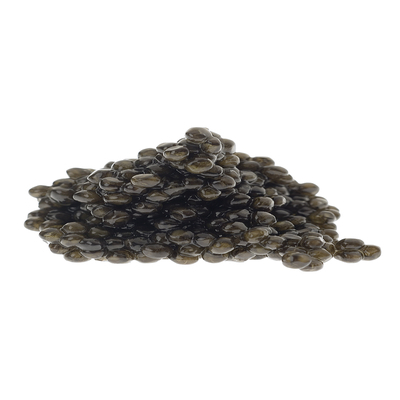
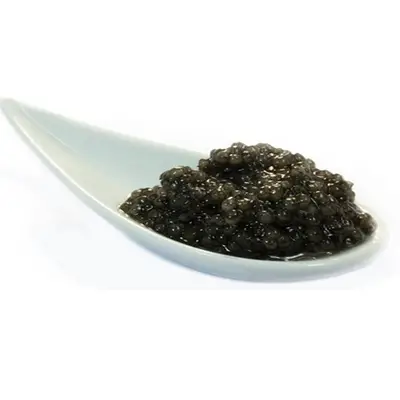
Small to medium roe
-
Jet-black or dark brown color
-
Smooth, creamy texture
-
Subtle nutty finish
It’s the type of caviar chefs love because it works with tasting menus, pasta dishes, sushi, and even simple caviar-on-toast concepts.
3. Competitive pricing for bulk importers
Compared to Beluga or Ossetra, Baerii is:
-
More affordable
-
Easier to source in bulk
-
Faster to reproduce due to quicker maturity cycles
This makes it a top choice for:
-
First-time importers
-
Restaurants that need steady supply
-
Distributors building a new product line
Is Importing Iranian Baerii Caviar Legal?
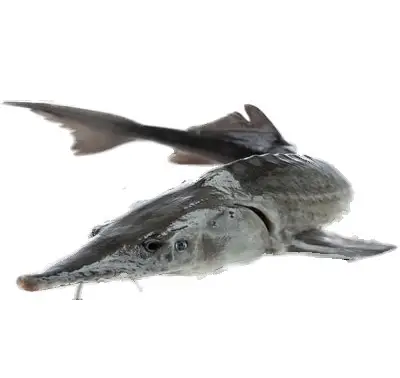
Short answer: Yes, as long as you follow CITES rules.
CITES Requirements
All Iranian Baerii caviar exports must include:
-
CITES Export Permit (official, verifiable)
-
Species code: Acipenser baerii
-
Country of origin: Iran
-
Source code (usually “C” for Captive-bred)
Buyers should always double-check permit authenticity before clearing customs.
Which Countries Commonly Import Iranian Baerii Caviar?
The biggest buyers include:
-
UAE
-
Qatar
-
Japan
-
EU member states
-
Canada
-
Hong Kong
-
Singapore
In the U.S., Persian caviar imports have heavy restrictions—but some licensed buyers work through specific channels.
How to Import Iranian Baerii Caviar Step-by-Step
Let’s keep it simple. Importing caviar becomes easy when you follow a clean workflow. Here’s the standard process most professional buyers use:
Step 1 — Choose a Verified Supplier
Look for suppliers who offer:
-
Transparent grading
-
CITES-certified farms
-
Proper cold-chain handling
-
Clear bulk pricing
-
Export experience
This reduces almost 80% of import problems.
Step 2 — Request Samples Before Bulk Orders
Legitimate suppliers always offer:
-
30g or 50g sample tins
-
Documents showing batch consistency
-
Storage recommendations
Never place a bulk order without a sample test—especially if you’re importing for gourmet clients.
Step 3 — Confirm CITES Documentation
Your shipment must include:
-
CITES Export Permit
-
Packing list
-
Invoice
-
Lot code / batch identification
-
Cold-chain compliance details
Missing documents can delay customs clearance for days or even weeks.
Step 4 — Understand Import Duties & Border Rules
Every country handles caviar differently. For example:
-
EU: Allowed with proper CITES + health certificate
-
UAE & Qatar: Fast clearance if documentation is complete
-
Japan: Extra checks for temperature logs
-
Singapore/Hong Kong: Very strict on food safety and import labeling
Having accurate paperwork reduces clearance time dramatically.
Step 5 — Choose Proper Cold-Chain Shipping
Baerii caviar must travel at –2°C to +2°C.
Most importers use:
-
Air cargo with insulated boxes
-
Gel ice packs
-
Shock-proof insulated containers
-
Temperature tracking equipment
Any break in the cold chain = spoiled caviar.
Spoiled caviar = total loss.
Step 6 — Final Inspection Upon Arrival
Before distributing or serving, always check:
-
Tin pressure
-
Color consistency
-
Aroma
-
Ice pack temperature
-
Batch number
-
Shelf life
Professional buyers always document the first 24 hours after arrival for traceability.
Quality Grades of Iranian Baerii Caviar
Iranian Baerii usually comes in the following grades:
● Grade A
-
Large pearls
-
Dark grey/black
-
Premium texture
-
Most expensive
● Grade B
-
Medium pearls
-
Classic flavor
-
Most commonly imported
● Grade C
-
Smaller grains
-
Used in restaurants & bulk orders
For gourmet stores, Grade A or A+ works best.
For restaurants: Grade B offers better margins.
Pricing Guide for Importers
Prices vary depending on:
-
Grade
-
Season
-
Supplier
-
Order size
But generally:
-
Grade A: $700–$1,100 per kg
-
Grade B: $450–$750 per kg
-
Grade C: $300–$500 per kg
Bulk buyers (20+ kg) get the strongest discounts.
Why Many Importers Prefer Iranian Baerii Over Russian or European Baerii
Let’s be real—Baerii is farmed in many countries.
But Iranian Baerii stands out for three reasons:
1. Stable supply
Iranian farms have been exporting for decades, unlike new European farms with inconsistent yields.
2. Richer flavor
The mineral-heavy water and unique feeding method add complexity to the roe.
3. Pricing stability
While European suppliers often change prices seasonally, Iranian exporters maintain stable pricing—something B2B buyers love.
Red Flags to Watch Out for When Importing Baerii Caviar
Importers should be careful with suppliers who:
-
Offer prices “too good to be true”
-
Can’t provide a real CITES document
-
Don’t share images or videos of the batch
-
Refuse to send samples
-
Ship without temperature logs
These are signs of inconsistent product quality—or, worse, counterfeit caviar.
How Much Baerii Caviar Should You Import at Once?
If you’re a new importer, start small:
-
3–5 kg test batch
-
Monitor customer feedback
-
Expand to 20–50 kg later
Restaurants often buy monthly.
Distributors import quarterly.
Gourmet stores import seasonally.
How Iranian Baerii Fits Different Markets
Each country has its own taste profile. Here’s how Baerii fits:
GCC Countries
Prefer:
-
Darker color
-
Creamier texture
-
Bulk orders
Europe
Prefer:
-
Balanced salt level
-
Smaller tins (30g–50g)
East Asia
Prefer:
-
Clean finishing taste
-
Premium packaging
Baerii works perfectly in all three markets.
Sustainability and Ethical Farming
Modern buyers care about sustainability. Iranian Baerii farms:
-
Follow controlled breeding
-
Keep environmental impact low
-
Use traceable batch systems
-
Maintain consistent welfare standards
This transparency makes importing much safer.
How to Store Baerii Caviar After Import
If you’re distributing or reselling:
-
Keep it between –2°C and +2°C
-
Avoid opening tins until sale
-
Rotate batches (FIFO: First In, First Out)
-
Keep inventories low to protect freshness
Opened caviar lasts 2–3 days max.
Why Importers Stick With Iranian Baerii After the First Shipment
Real importers continue buying Baerii because:
-
Orders are consistent
-
Exporters are reliable
-
CITES paperwork is smooth
-
Quality rarely fluctuates
-
Margins are strong
It’s a safe business product—especially for premium food distributors.
 Import Iranian baerii Caviar
 Import Iranian baerii Caviar
If you look at the international caviar market today, something interesting is happening. Importers who used to focus mainly on Russian or Chinese Baerii are beginning to shift toward Iranian Baerii. And honestly, the reason isn’t complicated — the quality is simply more reliable, the flavor feels more authentic, and the texture holds up better during transport.
Let’s break down why importing Iranian Baerii caviar is becoming a long-term smart move for distributors, gourmet retailers, and luxury food suppliers around the world.
Consistency Is the Biggest Advantage
Ask any caviar importer what their biggest headache is, and many will say the same thing:
“The quality changes from batch to batch.”
This is especially common in regions where farms rely on fast-growth techniques or inconsistent feeding practices.
Iranian farms don’t follow that model.
They operate slowly, almost traditionally:
-
slow-growing sturgeon
-
natural or semi-natural feeding
-
low-density tanks
-
precise processing immediately after harvest
This approach results in Baerii caviar that is almost identical from batch to batch in:
-
size
-
texture
-
firmness
-
flavor
-
color range
For restaurants and luxury retailers, consistency is everything — and Iran delivers it better than most markets.
Superior Stability During International Transport
Baerii roe is naturally more delicate than Osetra or Beluga. When it’s not processed correctly, it can soften, fade in color, or develop unwanted flavors during shipping.
Iranian producers avoid these problems through:
-
controlled salting (usually 2.8–3.2%)
-
strict temperature monitoring
-
clean, fast processing
-
high-quality export packaging
Because of this, when the caviar arrives in Europe, the US, or Asia, it tastes exactly as fresh as the day it was packed. Importers value this tremendously because it reduces complaints, refunds, and product loss.
Flavor Profile That Appeals to Both Beginners and Chefs
One of the reasons Baerii is gaining so much popularity is its naturally gentle taste. It doesn’t overwhelm the palate, and it has a kind, clean, buttery finish.
Typical flavor notes of Iranian Baerii:
-
mild and creamy
-
light salinity
-
soft nutty undertones
-
smooth finish
-
zero fishy aftertaste
This makes it ideal for:
-
first-time caviar customers
-
tasting menus
-
seafood pairings
-
canapés
-
fine dining presentations
Chefs appreciate how easy it is to pair with delicate dishes, and importers love how quickly it sells.
Pricing That Works for Importers
While Beluga and top-tier Osetra are stunning products, they’re not for every customer. Baerii sits in that sweet spot:
luxurious yet accessible.
Importers can sell Baerii in higher volumes because:
-
It’s cheaper than Osetra and Beluga.
-
It competes strongly with Chinese Baerii on price and beats it on quality.
-
It appeals to a broader audience.
From a business perspective, it offers excellent turnover, making it a practical choice for growing a caviar import business.
Sustainability and Ethical Production
Today, customers want responsible food sourcing. Iranian farms operate under strict ecological guidelines, including:
-
no wild sturgeon harvesting
-
natural water recycling systems
-
ethical feeding programs
-
clean, low-density farming conditions
This gives importers a strong marketing advantage:
-
“ethically farmed”
-
“environmentally responsible”
-
“fully traceable production chain”
These terms matter to modern luxury consumers — especially in European and North American markets.
Export-Ready Packaging and Branding
Iranian producers have significantly improved their packaging standards in recent years. Many now use:
-
vacuum-sealed tins
-
oxygen-sealed metal containers
-
clean, minimalist labels
-
traceability codes
-
international barcodes
This makes the product extremely import-friendly. Distributors don’t need to repackage the caviar, which reduces cost and preserves quality.
Shelf Life and Storage Benefits
Iranian Baerii typically offers:
-
3–6 months refrigerated shelf life
-
up to 12 months frozen
-
stable texture across long transport times
For importers bringing caviar across continents, this reliability enhances profit margins and ensures customer satisfaction.
⭐ Why Many Importers Choose 9Caviar
If you’re planning to import Iranian Baerii at a professional scale, choosing a trustworthy supplier is crucial. This is where 9Caviar stands out.
1. Direct Partnerships With Certified Farms
9Caviar works directly with top-tier Iranian sturgeon farms.
No middlemen.
No uncertain sourcing.
No questions about authenticity.
This gives importers premium quality at transparent prices.
2. Expertise in International Export
Importing caviar isn’t like importing regular seafood — there are strict global regulations.
9Caviar handles:
-
CITES documentation
-
customs paperwork
-
temperature-controlled shipping
-
export permits
-
professional packaging
Their experience minimizes risk and ensures smooth, fast delivery.
3. Quality Assurance on Every Batch
Each batch is checked for:
-
flavor stability
-
pearl firmness
-
freshness
-
color consistency
-
packaging quality
Importers working with 9Caviar often choose long-term contracts because the reliability is hard to match.
If you’re building or expanding a caviar business, 9Caviar is one of the safest and most professional pathways to authentic Iranian Baerii caviar.
Final Thoughts: Should You Import Iranian Baerii Caviar?
If your market demands:
High-quality caviar
Affordable compared to Beluga/Ossetra
Fast and consistent supply
Strong value for restaurants and retailers
…then Iranian Baerii caviar is one of the smartest products you can import.
Whether you’re a new importer or an established distributor expanding your product line, Baerii offers the balance of quality, flavor, and price that global buyers trust.
Five Frequently Asked Questions (FAQ)
1. How does Iranian Baerii caviar taste?
It has a mild, buttery flavor with gentle nutty notes. It’s less intense than Osetra and perfect for beginners or delicate dishes.
2. Is Iranian Baerii better than European Baerii?
In many cases, yes. Iranian Baerii tends to be smoother, richer, and more consistent in texture due to slow-growing farming methods and careful processing.
3. How long does Iranian Baerii caviar last during import?
When refrigerated, it typically lasts 3–6 months. Frozen, it can last up to a year without losing quality.
4. Is Iranian Baerii caviar sustainable?
Yes. It comes from fully farmed sturgeon raised under strict environmental regulations, making it an ethical choice.
5. Where can importers buy authentic Iranian Baerii caviar?
Trusted suppliers like 9Caviar offer export-ready Baerii caviar with professional packaging, international certificates, and guaranteed freshness.
+989381096736
+989381096736
+982128423510
+982128423510
info@9caviar.com
info@sweetwaterkingdom.com
Unit 4 , 3rd floor ,hojat mall , shahr-e-ziba square , tehran , iran
