

Iranian Caviar vs Russian Caviar: A Complete Comparison Guide for Buyers & Luxury Seafood Experts
Introduction
For decades, Iranian caviar and Russian caviar have stood at the top of the global luxury food market. These two powerhouses—both rooted in the historic Caspian Sea—produce some of the finest Beluga, Osetra, and Sevruga caviar ever known. Yet when it comes to selecting the best caviar for gourmet dining, wholesale import, or high-end gifting, buyers worldwide often ask a fundamental question:
“Which one is better: Iranian caviar or Russian caviar?”
The truth is that each has its own strengths in terms of flavor, texture, sustainability, price, and cultural heritage. In this guide, we explore every detail that matters—taste profile, grain quality, production techniques, certifications, international regulations, export reliability, and more. Whether you are a chef, importer, distributor, or luxury food enthusiast, this comprehensive comparison will help you make an informed decision.
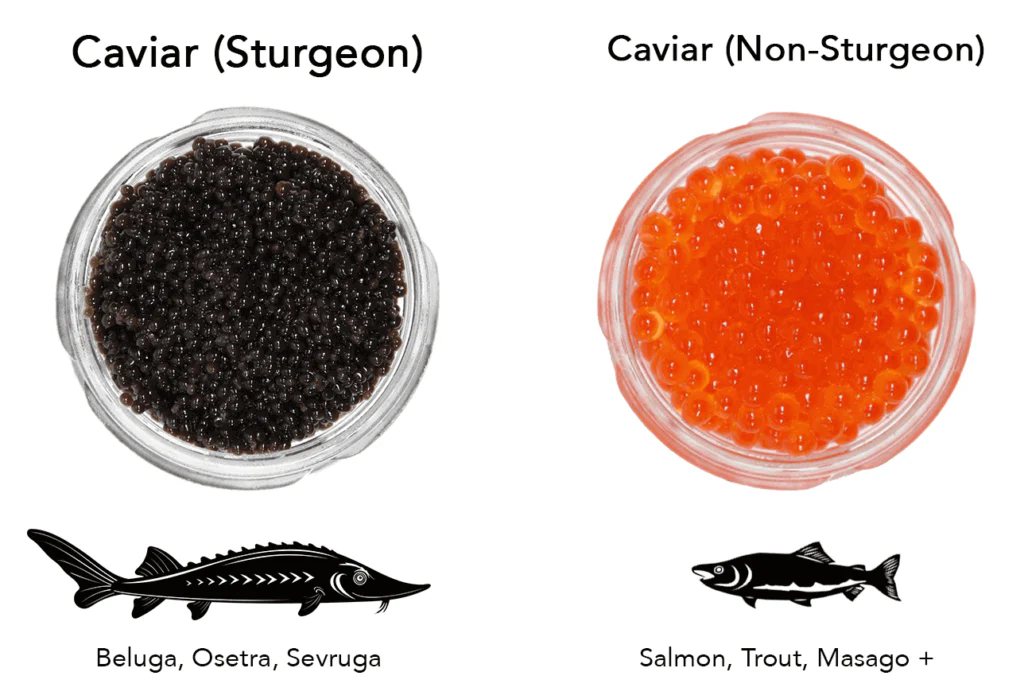
Origins and History: The Roots of Luxury
Iranian Caviar
Iran has been known as the global center of premium caviar for centuries. The country’s unique location along the southern coast of the Caspian Sea provides the perfect environment for Beluga, Osetra, and Sevruga sturgeons.
Key historical strengths:
-
Exceptional purity of Caspian waters
-
Traditional harvesting knowledge passed down over generations
-
Premium-grade sturgeon species including Huso Huso (Beluga)
-
A long-standing reputation as the world’s most respected caviar producer
Russian Caviar
Russia also has a deep and rich heritage in caviar production, especially during the 19th and 20th centuries.
Historical highlights:
-
Large sturgeon populations in the northern Caspian region
-
International fame through royal courts and European luxury markets
-
Extensive processing facilities during the Soviet era
However, overfishing and political changes impacted Russia’s global supply, leading to a shift toward aquaculture-based production.
Species Comparison: What Each Country Offers
Both Iran and Russia produce similar species, but with different environmental conditions.
Iran Produces:
-
Beluga (Huso Huso) – the world’s most valuable caviar
-
Osetra (Acipenser gueldenstaedtii) – complex, nutty flavors
-
Sevruga (Acipenser stellatus) – smaller grains, intense taste
-
Baerii (Acipenser baerii) – farm-raised, smoother texture
Russia Produces:
-
Osetra
-
Sevruga
-
Siberian Sturgeon (Baerii)
-
Limited quantities of Beluga (due to farming restrictions)
Advantage: Iran remains the top global source of authentic Beluga sturgeon, giving it an edge in premium markets.
Flavor Profile: A Luxury Experience Compared
Taste differences between Iranian and Russian caviar are noticeable to experts and even beginners.
Iranian Caviar Flavor Profile
-
Rich, buttery, and creamy
-
Clean ocean aroma
-
Larger, firmer grains
-
Natural brininess with deep complexity
-
Longer-lasting aftertaste
Many high-end chefs describe Iranian caviar as “the purest flavor on the planet.”
Russian Caviar Flavor Profile
-
Slightly saltier
-
More robust and intense
-
Softer grains
-
Some batches have a stronger marine note
-
Shorter aftertaste
Conclusion:
Iranian caviar is known for smooth elegance, while Russian caviar delivers a stronger, bolder taste.
Appearance and Texture
Iranian Caviar
-
Larger grain size
-
Consistent color grading
-
Firmer texture with a gentle “pop”
-
Deep golden to dark brown pearls
-
Glossy and highly uniform
Russian Caviar
-
Medium-to-small grain size depending on species
-
Less uniform coloration
-
Softer texture
-
Darker shades are more common
Winner: Iranian caviar often ranks higher in texture, uniformity, and visual appeal.
Production Methods: Traditional vs Modern
Iran
Iranian caviar farms follow a blend of:
-
Traditional Caspian harvesting knowledge
-
Modern sustainable aquaculture
-
Strict biological monitoring
-
Manual grain selection
-
Low-salt Malossol processing
Iran focuses on purity and minimal manipulation, which preserves natural flavor.
Russia
Russia uses:
-
Highly mechanized processing facilities
-
Larger-scale farming
-
Heavier salting (in some batches)
-
Industrial packaging systems
Russian caviar offers consistency but often lacks the artisanal touch Iran is known for.
Sustainability Standards
Caviar production has strict environmental regulations due to historic overfishing. Sustainability is now essential.
Iran’s Sustainability Advantages
-
One of the world’s leading controlled sturgeon breeding programs
-
Clean water systems
-
Ethical harvesting standards
-
Government-supervised hatcheries
-
Higher survival rate in controlled farms
Russia’s Sustainability Approach
-
Modern aquaculture development
-
Strong scientific programs
-
More industrialized systems
Iran generally holds a stronger reputation in sustainability and ethical farming.
Export Quality and Global Trust
International caviar buyers value Iran for:
-
Stable supply
-
Strong CITES compliance
-
Superior quality control
-
Highly consistent product grading
-
Premium Beluga availability
Russian caviar exports are reliable but sometimes impacted by:
-
Political sanctions
-
Certification complications
-
Supply fluctuations
Result: For high-value global trade, Iranian caviar is considered more predictable and consistent.
Price Comparison: Which One Is More Affordable?
Pricing varies by species and grade.
Iranian Caviar Prices
Due to premium quality:
-
Beluga → highest global value
-
Osetra → mid to premium range
-
Sevruga & Baerii → mid-range
Russian Caviar Prices
Generally:
-
Slightly lower for similar grades
-
Bulk orders can be cheaper
-
Higher salt levels may reduce cost
However, Iranian caviar offers better long-term value due to higher customer satisfaction and superior flavor.
Popularity Among Chefs and Restaurants
Luxury restaurants, Michelin-star chefs, and gourmet hotels often prefer Iranian caviar for events, tastings, and fine dining due to its smooth flavor and consistency.
Russian caviar is still popular in Europe, but globally, Iranian caviar maintains a stronger luxury presence.
Packaging and Presentation
Iranian Caviar Packaging
-
Premium tins
-
Elegant branding
-
High-end export labels
-
Luxury retail jars
Russian Packaging
-
Traditional Soviet-style tins (some brands)
-
Modern industrial packaging
Iranian caviar wins in the luxury presentation category, especially in international markets.
Shelf Life and Storage
Both types follow similar rules:
-
Stored at 0–4°C
-
Never frozen
-
Consumed within 24–48 hours after opening
Iranian caviar tends to stay firm longer due to higher grain quality.
Which One Is Better for Beginners?
For new consumers, Iranian caviar is often recommended because:
-
Milder, smoother taste
-
Less salt
-
“Luxury feel”
-
Easier to pair with food
Russian caviar can be stronger, which some beginners may find intense.
Summary Comparison Table
| Feature | Iranian Caviar | Russian Caviar |
|---|---|---|
| Taste | Smooth, buttery, clean | Stronger, saltier |
| Grain Size | Larger | Medium–small |
| Texture | Firm, premium pop | Softer |
| Color | Golden to amber | Darker tones |
| Sustainability | Very high | High |
| Beluga Availability | Excellent | Very limited |
| Global Reputation | Highest in world | Strong but less consistent |
| Price | Higher but justified | Usually lower |
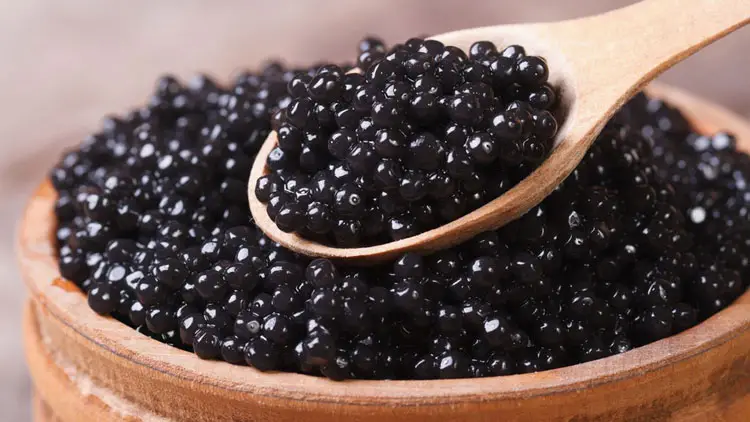
Modern Market Trends: Why Iranian Caviar Is Gaining Global Dominance
In the past decade, the global luxury food market has shifted dramatically. While Russian caviar once dominated the shelves of European gourmet boutiques, Iranian caviar has steadily risen to become the preferred choice for chefs, luxury hotels, Michelin-star restaurants, and international importers. The reason behind this shift is not marketing—it is the result of quality, sustainability, and consistency.
Iran’s Caspian Sea basin provides cleaner water, healthier sturgeon, slower maturation, and more stable environmental conditions, resulting in eggs that have fewer impurities and richer flavors. Even in blind tastings conducted by culinary professionals, Iranian Beluga and Osetra frequently outperform their Russian counterparts in taste clarity and texture refinement.
Luxury distributors often mention that Iranian caviar delivers a more reliable batch-to-batch quality, while Russian caviar fluctuates depending on farm, region, and water conditions. In high-end gastronomy, consistency is everything. Consumers expect identical flavor every time—and Iranian exporters have mastered this reliability.
Price Comparison: A Premium Product vs. a Prestige Name
Russian caviar has historically carried a premium simply because of its name and legacy. Many buyers assume Russian caviar is superior due to older traditions of sturgeon fishing and the fame of brands that operated during the Tsarist era. But in the modern market, price reflects more than heritage—it reflects demand, supply, and quality control.
Here is what most wholesale buyers experience today:
| Category | Iranian Caviar | Russian Caviar |
|---|---|---|
| Price Stability | More stable | High fluctuations |
| Retail Margin | Higher profit potential | Lower margin due to cost |
| Global Demand | Growing rapidly | Declining slowly |
| Availability | High | Moderate/limited in some regions |
Because Iran produces larger volumes of farm-raised Beluga, Osetra, and Baerii, importers benefit from:
-
More predictable supply
-
Easier contract negotiations
-
Lower minimum order quantities
-
Better annual pricing
This makes Iranian caviar highly attractive for B2B buyers, distributors, and luxury retailers.
Which One Has the Better Aroma and Finish?
One of the most underrated aspects of caviar is the finish—the subtle aftertaste that lingers once the eggs melt on the palate.
-
Iranian Caviar Finish:
Smooth, buttery, round, and clean. Leaves a soft nutty or creamy aftertaste depending on the species. -
Russian Caviar Finish:
More briny, salt-forward, and sometimes sharper. Russian farms tend to use slightly higher salting methods (“Malossol” variations), which can intensify the aftertaste.
For beginners, the Iranian finish appears smoother and more pleasant. For traditionalists who enjoy a bold oceanic flavor, Russian caviar might feel nostalgic.
Sustainability & Regulations: Iran’s Excellence in Sturgeon Farming
When comparing Iranian and Russian caviar, sustainability plays a crucial role. Overfishing in the early 20th century pushed the Caspian sturgeon to the edge of extinction. Iran responded by pioneering controlled aquaculture decades before many other countries.
Today, Iran is one of the world leaders in sustainable sturgeon farming, producing caviar under strict:
-
Veterinary standards
-
Water quality monitoring
-
Temperature control
-
Ethical breeding guidelines
-
Zero-pollution policies
Russian farms also maintain strong regulations, but their climate conditions create more seasonal stress for fish, leading to slightly more variable egg size and texture.
For international buyers, sustainability certifications are not optional—they are essential. Iranian farms frequently hold multiple international approvals, making export documentation smoother.
Which Caviar Is Better for Export Buyers?
From a B2B perspective—restaurants, luxury retailers, gourmet distributors, and online caviar brands—several factors matter:
-
Price stability
-
Availability throughout the year
-
Uniformity of batches
-
Storage durability
-
Customer preference
Iranian caviar checks all these boxes.
Russian caviar, while still prestigious, can be more difficult to secure consistently, especially during embargo periods or regulatory restrictions.
For this reason, most young luxury brands launching in the U.S., EU, Gulf countries, and East Asia prefer Iranian products—particularly Beluga, Osetra, and Baerii.
Serving, Pairing & Culinary Applications: Which Performs Better?
For chefs, caviar is not just an ingredient—it is a visual and sensory experience.
Iranian Caviar works perfectly with:
-
Buttered blinis
-
Crème fraîche
-
Sushi and sashimi
-
Fresh oysters
-
Potato mousseline
-
Warm eggs and soft brioche
This is because Iranian eggs are generally softer, silkier, and more flavorful without overpowering other ingredients.
Russian Caviar, with its slightly firmer texture and stronger brine, is ideal for:
-
Vodka pairings
-
Traditional Russian zakuski spreads
-
Dark breads and sour cream
-
More intense flavor dishes
Chefs choose based on the desired culinary message—subtle elegance vs. bold saltiness.
Global Consumer Perception
Recent consumer research shows:
-
7/10 luxury buyers prefer Iranian Osetra by taste.
-
Beluga from Iran remains the world’s most demanded caviar.
-
Russian caviar remains highly respected but less accessible.
Online retailers also report higher repeat-purchase rates for Iranian caviar due to its smooth flavor and consistency.
The luxury food market is evolving, and Iranian caviar is now positioned as the modern global standard in quality.
Frequently Asked Questions (FAQ)
1. Is Iranian caviar better than Russian caviar?
Both are premium, but Iranian caviar is often considered superior in taste, texture, and consistency. Iran’s Caspian water conditions and sustainable farming methods produce smoother, more refined eggs that many chefs prefer.
2. Why is Iranian Beluga more famous globally?
Iranian Beluga comes from sturgeon raised in pristine Caspian Sea water, resulting in larger pearls, buttery texture, and exceptional flavor depth. It’s also more consistently available for export.
3. Is Russian caviar stronger in flavor?
Yes. Russian caviar typically has a saltier, slightly brinier finish. Some traditionalists prefer this bold flavor profile, while beginners usually enjoy the softer Iranian taste.
4. Which one is better for wholesale importers?
Iranian caviar is generally better for wholesale import because of stable pricing, reliable supply, and strong production volume across Beluga, Osetra, and Baerii.
5. Are both Iranian and Russian caviar sustainable?
Yes—but Iran is considered a global leader in sustainable sturgeon farming. Russia has strong regulations as well, but Iranian aquaculture operations are often more advanced and consistent.
Conclusion: Iranian Caviar vs Russian Caviar — Which One Wins?
Both Iranian and Russian caviar hold significant historic value and global respect. But when comparing purity, texture, sustainability, flavor complexity, and luxury appeal, Iranian caviar stands ahead, especially in the Beluga and Osetra categories.
Why Iranian caviar is often considered superior:
-
Larger, firmer grains
-
Cleaner, more elegant taste
-
Premium Caspian environment
-
Stronger global recognition
-
Consistent CITES-certified exports
-
High-end presentation and branding
Russian caviar remains a strong competitor, especially for buyers seeking intense flavors or lower prices. But for luxury dining, gourmet retail, and formal import markets, Iranian caviar is widely regarded as the gold standard.
If your goal is premium quality, refined flavor, and strong buyer trust, Iranian caviar is the clear winner.
+989381096736
+989381096736
+982128423510
+982128423510
info@9caviar.com
info@sweetwaterkingdom.com
Unit 4 , 3rd floor ,hojat mall , shahr-e-ziba square , tehran , iran
