

Caviar Export: A Comprehensive Guide to Global Premium Caviar Trade
Introduction
Caviar, often referred to as “black gold,” is one of the most luxurious delicacies in the world. The global demand for high-quality caviar has grown significantly, especially for premium Iranian and Russian varieties. For producers and exporters, understanding the nuances of caviar export is crucial to succeed in international markets. This guide covers everything from sourcing, quality control, packaging, and regulations, to marketing strategies for a successful caviar export business.
Understanding Caviar and Its Types
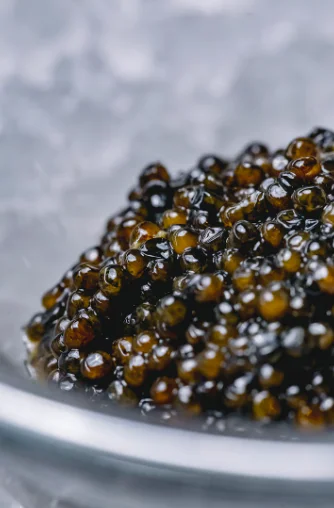
Caviar is the salted roe (eggs) of sturgeon fish. Its unique flavor, texture, and rarity make it a luxury product. There are several types of caviar, including:
-
Beluga Caviar: Known for its large, soft eggs and delicate flavor.
-
Osetra Caviar: Medium-sized eggs, rich in nutty flavors.
-
Baerii Caviar: Smaller eggs, highly flavorful, and more affordable.
-
Iranian Caviar: Globally recognized for its premium quality and taste.
For exporters, selecting the right type is essential. Premium varieties like Iranian Beluga and Osetra often command higher prices in international markets.

The Global Market for Caviar
The demand for caviar is concentrated in North America, Europe, and Asia. Key markets include the United States, Germany, France, Japan, and China. Factors influencing demand:
-
Growing interest in luxury foods.
-
Increased awareness of sustainable aquaculture.
-
Gourmet restaurants and high-end retailers seeking exclusive products.
Exporters must conduct market research to identify trends, seasonal demand, and target buyers.
Legal Regulations for Caviar Export
Caviar export is regulated internationally due to endangered sturgeon species. Compliance is mandatory to avoid penalties:
-
CITES Certification: Ensures the export of sturgeon products is legal and sustainable.
-
FDA Regulations (for USA exports): Requires labeling and health inspections.
-
EU Regulations: Focuses on food safety, traceability, and packaging standards.
Exporters must maintain accurate documentation, including species type, weight, source, and processing methods.
Sourcing Premium Caviar
Quality sourcing is the foundation of successful export:
-
Partner with certified sturgeon farms.
-
Ensure proper harvesting techniques to maintain egg quality.
-
Prioritize freshness and proper salting methods.
Iranian caviar is highly sought after for its superior flavor, texture, and quality. Maintaining traceability from farm to packaging ensures customer trust.
Packaging and Preservation for Export
Proper packaging is critical to preserve caviar during transit:
-
Vacuum-Sealed Containers: Prevent exposure to air, preserving freshness.
-
Temperature-Controlled Shipping: Caviar must be stored at -2°C to +2°C.
-
Luxury Packaging: Enhances brand perception in premium markets.
Exporters often invest in both functional and aesthetically pleasing packaging to attract high-end buyers.
Pricing Strategies for Export
Pricing is influenced by:
-
Type and quality of caviar.
-
Size of eggs.
-
Market demand and competition.
-
Transportation and customs costs.
Premium Iranian caviar can sell for hundreds to thousands of dollars per kilogram. Exporters should offer competitive prices while emphasizing quality and exclusivity.
Challenges in Caviar Export
Exporting caviar involves challenges:
-
Strict regulations and certification requirements.
-
Maintaining freshness during long-distance transport.
-
Competition from other global producers.
-
Risk of counterfeit products damaging brand reputation.
Successful exporters invest in compliance, logistics, and building trust with buyers.
Sustainability and Ethical Considerations
Sustainability is increasingly important for luxury food consumers:
-
Support sturgeon farming that prevents overfishing.
-
Promote eco-friendly practices in harvesting and packaging.
-
Ensure traceability from farm to table.
Brands that emphasize sustainability often achieve better international recognition and customer loyalty.
Tips for New Caviar Exporters
-
Start small and test different international markets.
-
Focus on premium products to maximize profit margins.
-
Build strong relationships with importers and distributors.
-
Invest in certifications like CITES and ISO food safety standards.
-
Leverage storytelling and digital marketing to differentiate your brand.
Caviar Export: Key Insights and Best Practices
Exporting caviar is not only about having high-quality product; it requires a thorough understanding of market dynamics, logistics, and international regulations. Whether you are a seasoned exporter or a newcomer, mastering these elements can help you reach a global audience efficiently.
Choosing the Right Type of Caviar for Export
The type of caviar you export greatly affects your market potential:
-
Beluga Caviar: Highly luxurious, suitable for top-tier restaurants and gourmet retailers.
-
Osetra Caviar: Balanced taste and medium-sized eggs, ideal for both high-end and mid-range markets.
-
Sevruga Caviar: More affordable, popular among wider gourmet audiences.
-
Iranian Caviar: Globally recognized for its flavor and quality.
Understanding your target market and the preferred caviar type is essential for optimizing sales.
Packaging and Preservation Essentials
Proper packaging ensures your caviar reaches international buyers in perfect condition:
-
Vacuum-Sealed Jars or Tins: Prevent oxidation and preserve freshness.
-
Cold Chain Logistics: Maintain temperatures between -2°C and +2°C during transit.
-
Premium Packaging: Appeals to luxury buyers and adds brand value.
Investing in high-quality packaging reduces spoilage risks and increases customer trust.
Marketing Strategies for International Buyers
Marketing caviar for export requires both traditional and digital approaches:
-
Luxury Branding: Highlight origin, artisanal methods, and exclusivity.
-
Digital Marketing: SEO, social media campaigns, and B2B platforms help reach global buyers.
-
Networking: Participate in international food expos and gourmet events.
-
Storytelling: Emphasize heritage, sustainability, and ethical production.
A strong marketing plan builds reputation and helps position your caviar as a premium product.
Legal and Regulatory Compliance
Exporters must navigate complex regulations:
-
CITES Certificate: Mandatory for exporting sturgeon products legally.
-
Food Safety Regulations: Follow FDA (USA), EU, or other regional standards.
-
Customs Documentation: Accurate labeling, weight records, and species verification.
Non-compliance can result in confiscation, fines, or damage to brand reputation.
Pricing and Profit Considerations
Caviar pricing is influenced by multiple factors:
-
Type and Rarity: Beluga typically commands the highest price.
-
Egg Size and Quality: Larger, firm eggs are more valuable.
-
Market Demand: Prices fluctuate based on regional consumption trends.
-
Logistics Costs: Shipping, customs duties, and packaging affect final pricing.
A transparent pricing strategy, combined with premium quality, ensures profitability and buyer satisfaction.
Sustainability in Caviar Export
Global buyers increasingly value sustainability:
-
Support sturgeon farms that follow ethical harvesting practices.
-
Use eco-friendly packaging and reduce environmental impact.
-
Maintain traceability from farm to customer.
Promoting sustainability can differentiate your brand in competitive markets.
Tips for Successful Caviar Export
-
Start with a limited quantity to test new markets.
-
Focus on premium caviar to maximize margins.
-
Build relationships with international distributors, gourmet stores, and restaurants.
-
Ensure certifications (CITES, ISO food safety) are always up to date.
FAQ: Caviar Export
Q1: What is the most popular caviar for export?
A1: Premium Iranian and Beluga caviar are highly sought after globally due to their flavor, texture, and rarity.
Q2: How should caviar be packaged for international shipping?
A2: Vacuum-sealed tins or jars, kept in cold-chain logistics at -2°C to +2°C, ensure freshness during transit.
Q3: What certifications are required for caviar export?
A3: CITES certification is mandatory for sturgeon products, along with food safety compliance like FDA or EU standards.
Q4: Which markets have the highest demand for caviar?
A4: Key markets include the USA, Germany, France, Japan, and China, with growing interest in luxury gourmet foods.
Q5: How can exporters maintain sustainability in caviar production?
A5: Use ethically farmed sturgeon, eco-friendly packaging, and maintain traceability from farm to table.
Conclusion
Exporting caviar is a lucrative but complex business requiring knowledge of regulations, sourcing, quality control, and international marketing. Premium Iranian caviar stands out in global markets due to its unique flavor, texture, and exclusivity. By combining compliance, quality, and effective marketing strategies, exporters can successfully enter the global gourmet food industry and achieve profitable sales.
+989381096736
+989381096736
+982128423510
+982128423510
info@9caviar.com
info@sweetwaterkingdom.com
Unit 4 , 3rd floor ,hojat mall , shahr-e-ziba square , tehran , iran
