
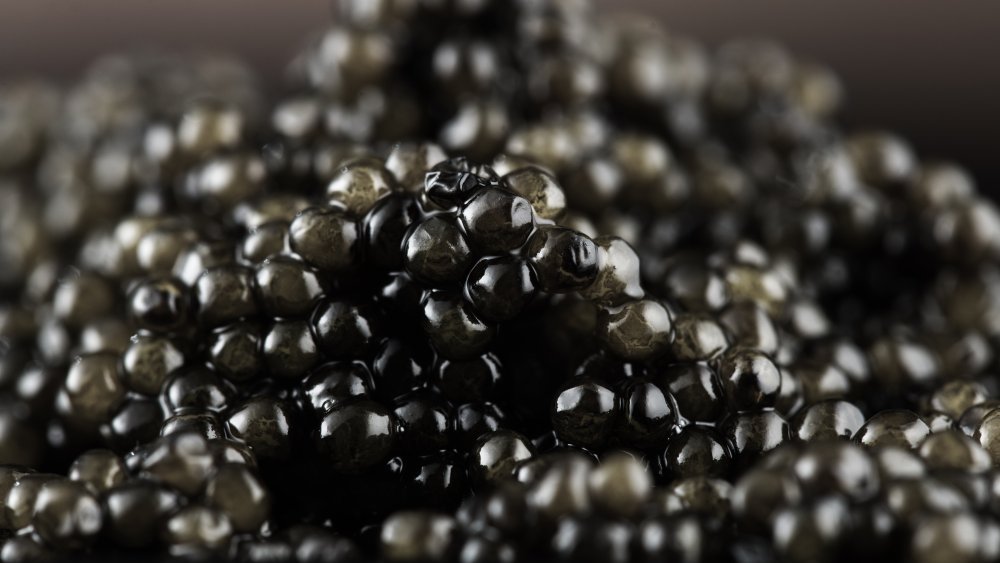
Import Caviar: A Complete Guide for Buyers, Distributors & Luxury Food Markets
Importing caviar is one of the most sensitive, regulated, and value-driven operations in the global luxury food industry. Whether you are a gourmet distributor, a fine-dining restaurant, a wholesale buyer, or a retail brand looking to offer high-end sturgeon roe, understanding how to import caviar properly is essential.
This comprehensive guide explains everything you need to know about importing caviar, including regulations, pricing factors, certifications, shipping requirements, and the differences between grades and species. With a special focus on Iranian Beluga, Osetra, and Baerii—the highest-valued caviar types in the world—this article gives you a practical roadmap for safe, legal, and profitable caviar import operations.
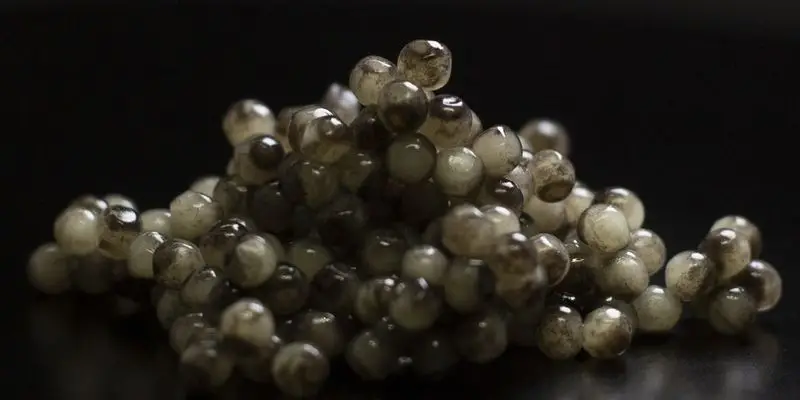
1. What Does “Import Caviar” Mean?
Importing caviar refers to purchasing sturgeon roe from a producing country and bringing it legally into your own country for the purpose of:
-
wholesale distribution
-
retail packaging
-
restaurant supply
-
luxury gifting
-
online sales
-
private label branding
Since caviar is considered a high-value and highly controlled product, importing it requires strict compliance with international wildlife protection laws, especially CITES regulations.
Iranian caviar—particularly Beluga, Osetra, and Baerii—is among the most desired worldwide due to its rich flavor, buttery texture, and long-standing heritage in Caspian Sea sturgeon farming.
Why Iranian Caviar Is the Top Choice for International Importers
Iran has centuries of expertise in sturgeon harvesting and sustainable aquaculture, producing some of the world’s most prestigious caviar. Importers often choose Iranian caviar because:
✔ Superior quality and flavor
Iranian caviar is known for its clean, buttery profile, rich texture, and uniquely large grains—especially Beluga.
✔ Sustainable, eco-friendly farming
Iranian farms follow advanced aquaculture standards and maintain genetic purity of Caspian sturgeon species.
✔ High market demand
Global markets consistently rank Iranian Beluga and Osetra as premium products with strong resale margins.
✔ International certifications
Leading farms provide CITES, veterinary certificates, export approvals, and traceability documents.
✔ Longer shelf life due to traditional salting
Iran uses a refined Malossol method that enhances quality during shipping.
For brands and wholesalers seeking a high-end product, importing Iranian caviar is not just a purchase—it is a strategic investment.
Understanding CITES and Global Regulations
CITES (Convention on International Trade in Endangered Species) is the primary authority regulating the import and export of sturgeon caviar.
When importing caviar, the importer must ensure:
-
The caviar comes from an approved CITES-certified farm
-
Packaging includes a unique CITES label with a tracking code
-
All paperwork (export permit, import permit, lab analysis) is valid
-
Quantity limits match the declared documentation
-
No wild-caught sturgeon products are involved
Illegal or improperly documented caviar can be confiscated at customs, leading to fines or import bans. Working with reputable producers—such as certified Iranian suppliers—is crucial.
Types of Caviar Most Commonly Imported
Although caviar can come from several sturgeon species, three types dominate global trade:
1. Beluga Caviar (Huso Huso)
-
Largest grains
-
Soft, buttery, luxurious taste
-
Highest market value
-
Ideal for gourmet restaurants and premium retail
2. Osetra Caviar (Acipenser Gueldenstaedtii)
-
Medium-large grains
-
Nutty, rich, golden-brown color
-
Highly popular in Europe and the UAE
-
Best-selling for importers due to balanced price and quality
3. Baerii Caviar (Acipenser Baerii)
-
Smaller eggs
-
Smooth, clean flavor
-
More affordable and ideal for beginners
-
Popular for large-volume imports
Iranian farms produce all three types at high quality, making the country a preferred source for international importers.
How to Import Caviar Step by Step
Importing caviar requires precision and documentation. Below is the standard process:
Step 1: Choose a certified supplier
The supplier must have:
-
Active CITES certification
-
Proven aquaculture standards
-
Export authorization
-
HACCP and veterinary approvals
Step 2: Verify product quality
Request:
-
samples
-
lab test results
-
freshness reports
-
salting method details
Step 3: Confirm export and import permits
Both exporter and importer must obtain permission from local CITES authorities.
Step 4: Packaging and labeling
Legal requirements include:
-
tamper-proof packaging
-
CITES tracking label
-
species identification
-
date of production, lot number
-
net weight and salt percentage
Step 5: Cold-chain shipping
Caviar must stay at 0°C to –2°C from farm to destination.
Imports commonly use:
-
Air freight
-
Insulated containers
-
Gel ice packs
-
Express customs processing
Step 6: Customs clearance
Documents required include:
-
CITES certificate
-
Invoice & packing list
-
Health certificate
-
Certificate of origin
Step 7: Local distribution
Once cleared, the importer may:
-
sell wholesale
-
package with a private label
-
supply restaurants
-
distribute to retail chains
Pricing Structure When Importing Caviar
Several factors affect the import price of caviar:
✔ Species (Beluga, Osetra, Baerii)
Beluga is the most expensive worldwide.
✔ Grade (A, AA, Premium, Imperial)
Larger grains, lighter color, and firmer texture increase value.
✔ Production method
Malossol (low salt) caviar is more premium.
✔ Market demand
Seasonal peaks include holidays, New Year, and luxury events.
✔ Shipping cost
Cold-chain freight charges vary by country.
✔ Customs and duties
Some countries impose higher import taxes on luxury foods.
Importers typically purchase in:
-
1kg tins
-
500g tins
-
250g tins
Then repackage into 30g, 50g, or 100g retail jars.
Why Many Buyers Prefer Iranian Caviar for Import
Global buyers—including the EU, UAE, Japan, and Canada—prefer Iranian caviar because:
-
It offers world-class quality
-
The taste is unmatched in luxury dining
-
It maintains high resale value
-
Iranian farms provide excellent export documentation
-
The product is trusted in the gourmet market
For businesses aiming to stand out in the premium seafood category, Iranian caviar is often the most profitable choice.
Importing Caviar for Wholesale vs. Retail
Wholesale importers typically:
-
Buy in 1kg tins
-
Target hotels, restaurants, airlines
-
Require high-volume consistent deliveries
-
Focus on Beluga or Osetra
Retail importers typically:
-
Use private-label packaging
-
Offer small jars (30g–125g)
-
Target online customers
-
Often choose Baerii or Osetra
Both models are feasible, depending on the target market and budget.
Best Countries for Importing Iranian Caviar
Countries with strong demand for imported Iranian caviar include:
-
UAE (Dubai, Abu Dhabi)
-
Qatar
-
Japan
-
South Korea
-
Germany
-
France
-
Canada
-
United Kingdom
-
Switzerland
-
United States (with special regulations)
Each region has its own import rules, so working with a supplier familiar with logistics is essential.
How Importers Can Market Caviar Successfully
A strong marketing strategy helps importers sell faster and maintain profitability. Effective methods include:
-
Gourmet photography
-
Luxury branding
-
High-end packaging
-
Restaurant collaborations
-
Influencer partnerships
-
Storytelling (origin, species, heritage)
-
Transparent traceability
Iranian caviar has a heritage advantage—this must be highlighted.
Storage Requirements After Importing Caviar
Proper storage is essential to maintain freshness and flavor after the product arrives. Importers must ensure:
-
Refrigeration at –2°C to +2°C
-
No freezing, as it damages egg texture
-
Minimum exposure to oxygen
-
Selling within the recommended shelf-life
Unopened tins have a longer life, while opened containers should be consumed within several days. For retail sellers, offering clear instructions to customers increases satisfaction and repeat purchases.
Building Long-Term Contracts With Farms
Experienced importers rarely buy caviar through one-time purchases. Instead, they establish ongoing contracts with farms or exporters, ensuring:
-
Guaranteed supply
-
Stable pricing
-
Priority access during high-demand periods
-
Custom packaging options
Iranian caviar producers often provide flexible contracts, especially for premium buyers and distributors.
Challenges Importers May Face
Importing caviar can include several challenges:
Regulatory delays
Customs inspections or permit errors can slow down shipments.
Temperature risks
Any fluctuation in cold-chain handling may affect quality.
Market competition
Demand for Beluga and Osetra is high; pricing must be strategic.
Fake caviar or mislabeling
Some suppliers in the global market mix species to lower costs.
This is why sourcing directly from certified Iranian suppliers is vital.
Tips for First-Time Caviar Importers
For beginners in the import business:
✔ Start with mid-range Osetra or Baerii
✔ Order samples before committing
✔ Review all certifications carefully
✔ Avoid suppliers without CITES documentation
✔ Use express air freight only
✔ Learn customs regulations of your country
By following these guidelines, new importers can minimize risk and maximize profit.
The Future of Caviar Imports
The global caviar market is growing due to:
-
Rising luxury consumption
-
Expansion of fine dining
-
Increased legality of farmed sturgeon
-
Strong demand for sustainable food products
Iran remains one of the most respected producers, and demand for Iranian Beluga and Osetra is expected to grow steadily over the next decade.
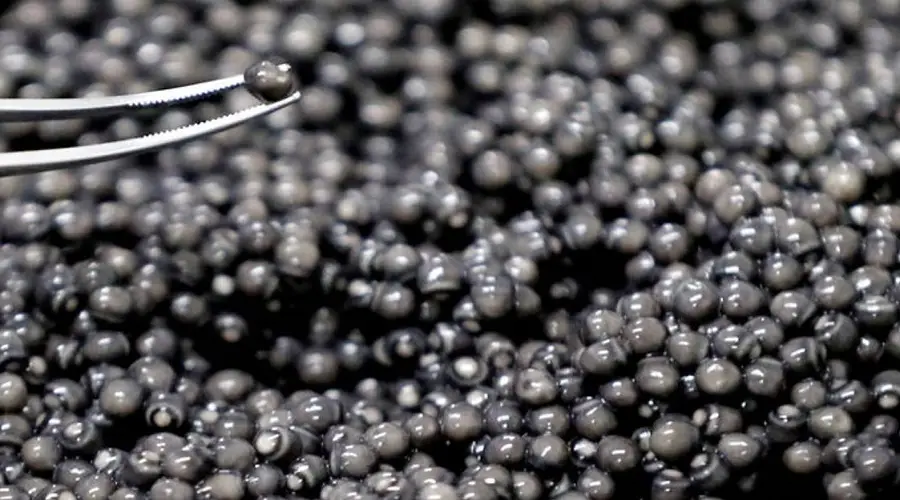
The Importance of Traceability in Caviar Imports
Traceability has become one of the most important requirements for international caviar importers. High-end buyers, governments, and luxury restaurants expect full transparency about the product’s origin. Proper traceability includes:
-
Species identification
-
Farm location
-
Harvest batch number
-
Production date
-
Salt percentage
-
CITES export code
-
Health inspection results
-
Packaging history
This information builds trust and allows importers to confidently distribute caviar without concerns about authenticity or quality. Iranian farms are known for their strict documentation standards, making them a top choice for businesses that prioritize traceability.
Additionally, traceability helps prevent fraud in global markets. Some suppliers mix lower-grade caviar with premium products to increase profit margins. Iranian suppliers with strong compliance systems help eliminate this risk, creating a safer and more transparent import process.
Why Branding Matters When Importing Caviar
While quality and certification are essential, successful importers also understand the power of branding. Caviar is not just a product—it is a luxury experience. Importers who create a strong brand identity typically enjoy higher profit margins.
Effective branding includes:
✔ High-end packaging
Metal tins with premium labeling, gold embossing, or matte finishes attract gourmet consumers.
✔ Luxury storytelling
Highlighting the origin of Iranian caviar, its Caspian heritage, and hand-processing traditions adds emotional value.
✔ Consistent brand voice
A refined tone that communicates exclusivity and authenticity is essential for premium positioning.
✔ Professional online presence
High-resolution photography, clear product descriptions, and elegant website design improve buyer engagement.
✔ Product education
Guides, pairing ideas, serving tips, and chef recommendations help build authority and trust.
Importers who invest in branding often convert more customers and establish long-term relationships with high-value buyers.
Understanding Packaging Formats for Imported Caviar
Packaging plays a major role in both product safety and customer experience. The most common formats used in caviar imports include:
1kg Metal Tins (for wholesale buyers)
-
Used by restaurants, hotels, and distributors
-
Longer shelf life
-
Lower cost per kilogram
500g and 250g Tins
-
Ideal for small distributors or exclusive culinary establishments
-
Easier to store and manage
30g, 50g, 100g Retail Glass Jars
-
Most popular for consumer sales
-
Perfect for gifting and luxury retail
-
High profit margin for sellers
Premium importers often repackage bulk caviar into branded retail jars. This allows for better control over retail pricing and stronger brand visibility.
Evaluating Caviar Quality When Importing
Quality evaluation is a crucial step in the import process. Caviar is graded based on several factors:
✔ Grain size
Larger grains are considered more premium, especially in Beluga and Osetra.
✔ Color
Golden or amber shades are highly valued in Osetra caviar.
✔ Firmness
Eggs should be firm enough to separate easily but delicate on the palate.
✔ Aroma
Fresh caviar has a clean, ocean-like scent without strong fishiness.
✔ Salt level
Malossol (less than 5% salt) is the preferred international standard for premium imports.
✔ Consistency
Uniform grains with minimal liquid (“no weeping”) indicate high quality.
Importers often request high-resolution photos, videos, or sample tins before placing large orders. Iranian suppliers are known for maintaining strict QC standards, making them a trusted choice in this industry.
Sustainable Farming and Its Role in Caviar Imports
Sustainability is no longer optional—it is a foundation of global sturgeon aquaculture. Importers must ensure their suppliers use environmentally responsible practices, including:
-
Zero wild sturgeon harvesting
-
Eco-friendly feed
-
Clean water systems
-
Controlled breeding programs
-
Non-harmful harvesting methods
Iran has made significant progress in modern sustainable sturgeon farming, especially in producing Beluga, Osetra, and Baerii through advanced hatchery management. This commitment to sustainability strengthens Iran’s position as a leading exporter and gives importers confidence in long-term supply stability.
Customer Segments for Imported Caviar
Importers serve multiple buyer categories, each with distinct needs:
Luxury Hotels & Resorts
They prefer large-volume shipments of Beluga and Osetra for high-end dining.
Fine-Dining Restaurants
Chefs look for consistent quality, flavor profile, and reliable supply.
Retail Stores & Gourmet Markets
They require professional packaging and mid-range pricing.
Online Sellers
These businesses focus on brand storytelling, customer education, and repeat orders.
Corporate Clients
Caviar is often used for luxury gifts during holidays and events.
Wholesalers
They buy in bulk and need competitive pricing for redistribution.
Understanding these customer segments allows importers to optimize their product selection, pricing, and marketing strategy.
Seasonal Trends in Caviar Imports
Market demand fluctuates throughout the year. The busiest import seasons include:
✔ November–January (Holiday Season)
The highest global demand due to Christmas, New Year, and luxury gifting.
✔ Ramadan (Middle East Market)
Demand increases significantly in the UAE, Qatar, Kuwait, and Bahrain.
✔ Chinese New Year
High-end gourmet products sell rapidly during this period.
✔ Summer Tourism Season
Hotels and resorts increase their orders.
Importers who understand seasonal demand can optimize their shipping schedule and inventory planning.
Risk Management for Caviar Importers
To protect their investment, importers should follow best practices such as:
-
Using temperature loggers during shipment
-
Ensuring full insurance coverage
-
Working only with certified exporters
-
Avoiding low-price suppliers without documentation
-
Building long-term relationships rather than one-time purchases
Mitigating risks ensures consistent quality, reduces financial losses, and strengthens brand reputation.
(FAQ) About Importing Caviar
1. Is it legal to import caviar into any country?
Yes, but only with proper CITES permits. Each country has different import rules, and some require additional approvals.
2. Which type of caviar is best for importing?
For luxury buyers: Beluga.
For balanced quality and price: Osetra.
For beginners or large-volume retail: Baerii.
3. How long does caviar last after import?
Unopened tins last several months at proper refrigeration. Opened packages should be consumed within days.
4. Do I need a special license to import caviar?
In most countries, yes. You need CITES permits and possibly food import licenses.
5. Why is Iranian caviar highly recommended?
Because of its unmatched flavor, sustainable farming, and internationally trusted quality certifications.
Conclusion: Why Importing Caviar—Especially From Iran—Is a Valuable Investment
Importing caviar is more than a business transaction—it is an entry into the world of luxury, heritage, and gourmet excellence. The global caviar industry continues to grow, with consumers seeking authentic, sustainable, and premium-quality products. Among all producing nations, Iran stands at the top, renowned for its unparalleled Beluga, rich Osetra, and smooth Baerii caviar.
By choosing certified Iranian suppliers, importers gain:
-
exceptional quality
-
reliable export documentation
-
sustainable farming practices
-
competitive wholesale pricing
-
strong global demand
-
prestigious product reputation
Whether you are a distributor, retailer, gourmet brand, or fine-dining supplier, importing caviar—especially Iranian caviar—offers a powerful opportunity to elevate your product portfolio and establish authority in the luxury food market.
With proper planning, documentation, cold-chain management, and branding, caviar importing can become a highly profitable, long-term business. And for those who prioritize authenticity and excellence, Iranian caviar remains the gold standard in the global market.
+989381096736
+989381096736
+982128423510
+982128423510
info@9caviar.com
info@sweetwaterkingdom.com
Unit 4 , 3rd floor ,hojat mall , shahr-e-ziba square , tehran , iran
