

Iranian Caviar: The World’s Most Prestigious Black Gold
Iranian caviar is universally recognized as one of the finest luxury foods on the planet. Its rich flavor, delicate texture, and historical legacy have positioned it at the peak of gourmet cuisine. For centuries, the southern shores of the Caspian Sea—where Iran’s sturgeon populations thrive—have been the birthplace of some of the rarest and most valuable caviar varieties. Today, Iranian caviar continues to captivate chefs, gastronomists, and connoisseurs across the world.
iranian caviar
One spoonful of true caviar can tell a story — of cold currents, patient husbandry, and centuries of culinary reverence. Iranian caviar, still regarded as a benchmark of luxury, carries unmistakable terroir: mineral-rich waters, large sturgeon species, and handling traditions that shape aroma, texture and finish. For chefs, buyers and collectors, this is not about status alone; it’s about traceable provenance, clear grading and handling choices that determine whether a tin sings or simply tastes salty.
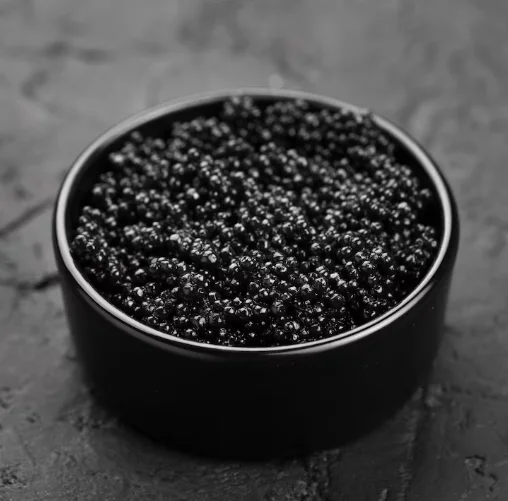
Why Iranian caviar Still Defines Luxury: Origins, Taste and Provenance
Iranian caviar has long been associated with a combination of unique river ecosystems, traditional handling techniques, and species of sturgeon that produce large, flavorful roe. Historically sourced from the Caspian basin, premium Iranian tins deliver a profile shaped by cold, mineral-rich waters and careful processing methods. For chefs, sommeliers and serious home cooks, provenance matters: origin affects pearl color, size and the subtle mineral notes that distinguish tins from different regions. When selecting a supplier, look for transparency about farm or fishery location, broodstock lineage and documented export procedures to verify authenticity.
History of Iranian Caviar
The history of Iranian caviar stretches back thousands of years. Ancient Persian civilizations considered sturgeon roe a valuable delicacy and even a medicinal food believed to enhance strength and vitality.
During the medieval period, travelers and merchants recorded the exceptional taste of caviar harvested from the Caspian Sea. By the 19th and early 20th centuries, Iranian caviar had become an established luxury in European courts. Kings, aristocrats, and elite chefs regarded it as a symbol of refinement.
The Caspian Sea, shared by a limited number of countries, is home to the largest population of sturgeon—a prehistoric fish species that has survived since the Jurassic period. The unique ecosystem of the southern Caspian, influenced by regional climate and water conditions, played a critical role in shaping the flavor profile of Persian caviar.
The Unique Environment of the Caspian Sea
The superiority of Iranian caviar is deeply rooted in its geographical origin. Several natural factors contribute to its excellence:
Water Conditions
The southern Caspian Sea has:
-
Higher salinity balance than northern regions
-
Warm temperatures
-
Cleaner ecological zones
-
Rich plankton resources
These factors create an ideal habitat for premium sturgeon species.
Native Sturgeon Species
Iran’s waters host some of the most valuable sturgeon species in the world, including:
-
Beluga (Huso huso)
-
Osetra (Acipenser persicus)
-
Sevruga (Acipenser stellatus)
Each of these species produces roe with distinct flavors, sizes, and textures.
Types of Iranian Caviar
Iranian caviar is diverse, and each type is distinguished by its species, color, size, and flavor. The three most prestigious types are:
Beluga Caviar
Beluga is the most famous and luxurious type of Iranian caviar.
-
Eggs: Large, soft, and delicate
-
Colors: From light gray to silver
-
Flavor: buttery, mild, and sophisticated
-
Known as: The “king of caviar”
Beluga sturgeon can live over 100 years, and its eggs are extremely rare, contributing to its global exclusivity.
Osetra Caviar
Osetra is appreciated for its complex flavors.
-
Eggs: Medium to large
-
Colors: Golden, brown, or olive-green
-
Flavor: Nutty, rich, layered
-
Popular among: Gourmet chefs for its versatility
Golden Osetra is especially rare and valued intensely for its bright hue and intense aroma.
Baerii Caviar
is smaller but highly flavorful.
-
Eggs: Small and firm
-
Colors: Dark gray to black
-
Flavor: intense, bold, and briny
-
Known for: Strong aroma and classic caviar punch
Although more accessible, maintains exceptional quality and is beloved for its robust character.
Traditional Harvesting and Processing Techniques
The art of producing Iranian caviar requires precision, patience, and generational knowledge.
Ethical and Modern Aquaculture
Due to global concerns regarding sturgeon conservation, Iran now employs advanced aquaculture systems that:
-
Maintain natural water conditions
-
Replicate Caspian Sea habitats
-
Ensure sustainability
-
Protect endangered species
Harvesting
The timing of harvesting is crucial:
-
Sturgeons are carefully inspected for roe maturity
-
Eggs must reach perfect firmness and color
-
Traditional expertise identifies the optimal moment
Salting Process
Salt plays a decisive role in flavor:
-
Iranian methods use Malossol (low-salt) technique
-
Salt enhances flavor without overpowering it
-
Ensures long shelf life while keeping natural texture
This delicate balance is what gives Iranian caviar its globally recognized smoothness and depth.
Characteristics That Define Premium Quality
Several parameters determine whether Iranian caviar qualifies as premium:
Egg Size
Larger eggs (like Beluga) indicate rarity and maturity.
Color and Shine
The brightness and clarity of eggs show freshness and proper handling.
Texture
High-quality caviar has:
-
Non-sticky grains
-
Gentle pop
-
Smooth aftertaste
Flavor Profile
Iranian caviar is known for:
-
Clean, oceanic aroma
-
Complex layers of flavor
-
Long-lasting, silky finish
Nutritional Value of Iranian Caviar
Beyond its luxury status, Iranian caviar is a powerhouse of nutrition. It contains:
-
Omega-3 fatty acids
-
Protein
-
Vitamins A, E, D, and B12
-
Selenium, zinc, magnesium
-
Amino acids essential for brain and immune function
This combination contributes to heart health, improved cognition, and cellular regeneration.
Global Appreciation and Culinary Uses
Iranian caviar is treasured in high-end culinary traditions.
Gastronomic Influence
Top chefs use it for:
-
Enhancing seafood dishes
-
Decorating gourmet plates
-
Creating luxurious appetizers
-
Pairing with Champagne and fine wines
Cultural Significance
In several cultures:
-
Caviar symbolizes celebration
-
Serves as a gift in special events
-
Represents sophistication and prestige
Sustainability and Future of Iranian Caviar
Iran places major emphasis on conservation and ethical production.
Sturgeon Protection Programs
Efforts include:
-
Controlled breeding
-
Habitat restoration
-
Monitoring wild populations
-
Scientific research on sturgeon genetics
Eco-Friendly Aquaculture
Modern Iranian farms:
-
Reduce environmental impact
-
Monitor water quality
-
Use natural feeding practices
-
Follow global conservation standards
Sustainability ensures future generations can enjoy this luxurious delicacy.
Why Iranian Caviar Is Considered the Best in the World
Several factors contribute to its reputation:
-
Ancient heritage and expertise
-
Unique Caspian Sea ecosystem
-
Superior sturgeon species
-
Traditional processing techniques
-
Balanced salting methods
-
Complex, refined flavor profile
Iranian caviar remains a benchmark in global gastronomy and is often regarded as the purest expression of sturgeon roe.
Key sturgeon species and their distinctive flavor profiles
Not all sturgeon produce the same sensory experience, and understanding species helps clarify price and expected taste. Beluga typically offers the largest pearls, a soft, buttery texture and a long, elegant finish that can include walnut or mineral after-notes. Imperial Ossetra presents medium-large pearls with pronounced hazelnut and creamy top notes layered over saline, oceanic minerality. Sevruga produces smaller eggs with a stronger saline character and brisk brininess. Recognizing these differences will help you match a tin to a specific dish or tasting moment.
Flavor vocabulary: how to read a tin before you open it
A concise flavor vocabulary helps set expectations and improve tasting accuracy. Look for descriptors like “buttery richness,” “hazelnut notes,” “delicate cream,” “oceanic minerality,” and “velvety depth” on credible tasting notes; these signals indicate a balanced profile rather than an overtly salty product. Color cues—amber to deep golden brown for some Ossetra, pale silver to light grey for Beluga—suggest maturity and species. Texture expectations should be firm but yielding: pearls that hold shape and then melt on the tongue indicate proper ripeness and handling.
Quality indicators every buyer should check
Pearl size and consistency are baseline metrics for grading; medium to large, uniform beads usually indicate higher tiers. Inspect the gloss and pearlescent sheen of the eggs when possible, because a natural luster correlates with freshness and optimal curing. Salt level is critical: malossol curing at roughly 3–3.5% preserves complexity, while heavier salting masks nuance. Texture should be silky and slightly resilient rather than mushy, and the aftertaste should linger cleanly without metallic or sour notes. Finally, packaging details such as vacuum sealing, temperature-control records, and a clear production date are practical signs of professional handling.
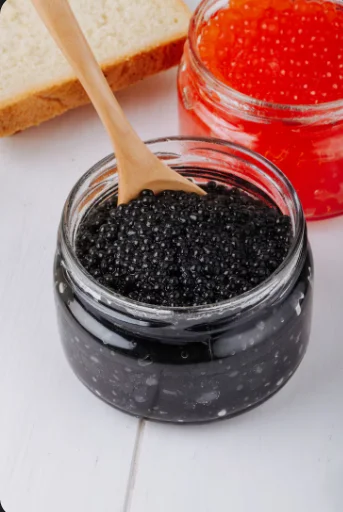
Production methods: malossol, pasteurization and grading standards explained
Malossol, the minimal-salt method, is the standard for preserving high-end roe; it uses low salt percentages to maintain the natural flavors created by the fish and its environment. Pasteurization extends shelf life by applying controlled heat and is commonly used for retail jars destined for distant markets, but it can slightly alter texture compared with fresh, chilled malossol tins. Grading combines pearl diameter, color uniformity, membrane integrity and flavor complexity; producers often use tiered labels such as Master Selection, Imperial, Royale and Tradition, or proprietary names to indicate quality bands. When assessing a purchase, prioritize clear grade definitions and ask whether the product is fresh chilled malossol or pasteurized.
Practical buying, storage and serving tips for optimal enjoyment
Buy from suppliers who can provide CITES documentation and cold-chain proof; legal compliance and uninterrupted refrigeration protect both quality and resale value. If you purchase fresh malossol caviar, transport it in insulated packaging and store it between -2°C and +2°C; avoid freezing, which damages cell membranes and ruins texture. Open the tin only when ready to serve and return it to the coldest part of the refrigerator if not finished immediately; consume within 48 hours for peak freshness. Serve on chilled non-reactive dishes—mother-of-pearl spoons are traditional—to avoid metallic tastes. Pairings that respect the roe’s subtlety include unsalted blinis, lightly toasted brioche, neutral crème fraîche and delicate garnishes like chives or microgreens; avoid overpowering accompaniments such as strong acids or heavy sauces.
Responsible sourcing and certifications: verifying legitimacy
Sustainable, legal trade is essential for premium Iranian caviar to remain available; reputable suppliers will provide CITES certification, health certificates and evidence of government-regulated quality grading. Farms adhering to eco-responsible aquaculture will highlight measures like non-invasive breeding, fresh-flowing oxygen-rich systems, feed transparency and water recycling. Food-safety certifications such as HACCP or ISO 22000 add an extra layer of assurance about handling and traceability. Commercial buyers — from fine-dining kitchens to specialty retailers — should insist on cold-chain transport records and export documentation to confirm both legality and quality.
How to evaluate suppliers and a note on 9caviar
Ask specific questions about broodstock management, whether the operation is farmed or wild-caught, and the exact species and grade on offer; suppliers who control spawning and grow-out stages often provide more consistent quality. For wholesale or private-label needs, confirm packaging, labeling options and minimums before committing. 9caviar positions itself as a direct supplier with CITES-compliant sourcing, refrigerated air cargo capability and private-label options; such vertical integration can simplify traceability and improve consistency for large buyers. When comparing vendors, request sample tins and full documentation from each lot to establish a repeatable purchasing standard.
Tasting technique and pairing experiments to try at home or in service
When tasting, start by observing aroma with a light waft rather than deep inhalation; high-quality caviar smells clean, slightly marine and free of off-notes. Place a small amount on the back of the hand or a mother-of-pearl spoon, let it warm to just below mouth temperature and then let the pearls burst gently against the palate to reveal layered flavors. Test pairings across low-interference carriers—unsalted blini, very mild yogurt, or paper-thin potato blintz—and try contrast with mild toast points to evaluate texture. For beverage matches, choose clean, low-sugar sparkling wines or dry vodkas that refresh the palate without clashing with the roe’s mineral complexity.
Checklist for responsible collectors and culinary buyers
Before purchase, verify species identification, confirm malossol versus pasteurized status, inspect grade definitions, and obtain CITES and health certificates. Ensure the seller documents cold-chain transport and offers traceable lot numbers to tie tins back to production dates and specific harvests. Maintain a storage routine that keeps unopened tins at near-freezing temperatures and consumes opened tins within 48 hours for malossol products. Sellers like 9caviar that emphasize certified sourcing and controlled logistics can reduce risk for distributors, restaurateurs and private collectors seeking authentic Iranian caviar.
From Caspian Origins to Your Plate: Practical Moves for Confident Caviar Buying
Treat Iranian caviar not as an abstract luxury but as a terroir-driven ingredient whose value depends on verifiable origin, gentle curing and uninterrupted cold handling. Before you buy, insist on three pieces of proof: clear species identification (Beluga, Ossetra, Sevruga), CITES/health documentation, and cold-chain temperature logs tied to the lot number. Next, sample deliberately—request chilled malossol tins for tasting, assess pearl integrity and salt balance, and compare two grades side-by-side to hear the difference in texture and finish. For storage and service, keep unopened tins near 0–2°C, avoid freezing, and plan to consume opened malossol within 48 hours while using non-reactive spoons and neutral carriers. For commercial buyers, formalize these checks in supplier contracts and demand traceability down to hatchery or harvest. Doing this preserves both quality and ethical sourcing, and it protects your reputation when serving or reselling. Ultimately, true appreciation of Iranian caviar comes from informed choices: when provenance, handling and tasting converge, one spoonful reveals the landscape it came from—and confirms that careful buying is the first act of great tasting.
The Unique Salting Techniques Behind Iranian Caviar
One of the defining characteristics of Iranian caviar is the traditional salting technique known as “Malossol,” a Russian term meaning “little salt.” Although the origin of the word is Russian, Iranian producers have elevated the method to a refined art. Malossol caviar typically contains less than 5% salt, preserving the natural flavor profile of the eggs while ensuring proper shelf stability.
Iranian experts often rely on tactile and sensory judgment, learned over decades, to determine the exact moment when the caviar texture is ideal for salting. This heritage knowledge contributes directly to the final quality of the product and maintains its global reputation as a gourmet luxury item.
Environmental Conditions and Their Impact on Quality
Iran’s diverse water environments—ranging from the brackish coasts of the Caspian Sea to inland aquaculture systems—play an essential role in the development of sturgeon and the flavor of the caviar.
Water temperature, mineral content, oxygen levels, and natural food availability all influence the development of the eggs.
The Caspian Sea, in particular, is known for its:
-
High mineral richness
-
Stable water temperature
-
Abundant natural plankton
-
Low pollution zones (especially in protected regions)
These elements contribute to the deep, buttery flavor and delicate texture that Iranian caviar is known for. Even today, modern farms attempt to replicate these natural conditions using advanced filtration and oxygenation systems, but many gourmet experts argue that the geography of the Caspian coast offers unmatched authenticity.
The Role of Traditional Expertise in Modern Caviar Production
While modern technology supports consistent production, Iranian caviar still benefits significantly from artisanal techniques passed down through generations.
Experienced caviar masters, known for their delicate handling and precise evaluation of roe quality, oversee every step—from harvesting to grading to curing.
Their expertise ensures that:
-
Eggs are handled without rupture
-
Texture remains firm and glossy
-
Color grading is consistent
-
Flavor is preserved naturally without excessive processing
The combination of traditional Iranian craftsmanship and modern aquaculture creates a product that is globally recognized for its sensory excellence.
Differences Between Wild and Farmed Iranian Caviar
Historically, Iranian caviar came exclusively from wild sturgeon in the Caspian Sea. However, due to environmental conservation policies and international regulations, farmed caviar has become the standard today.
Yet, Iranian farmed caviar remains extremely close in quality to the wild version, thanks to controlled conditions and decades of research.
Wild caviar was known for:
-
Slightly more complex flavor due to natural diets
-
Greater variability in texture and color
-
Seasonal fluctuations in quality
Farmed Iranian caviar, however, offers:
-
Consistent quality throughout the year
-
Controlled diets for optimal flavor
-
Sustainable production practices
-
Predictable sizing and grading
Most gourmet chefs agree that high-end Iranian farmed caviar now rivals or exceeds the wild varieties of the past, making it a reliable luxury ingredient in international cuisine.
Texture and Flavor Profiles in Depth
Iranian caviar stands out not only for its rarity but also for its nuanced sensory profile.
Chefs and connoisseurs typically describe it using terms such as:
-
Buttery: A silky mouthfeel without graininess
-
Nutty: A subtle hazelnut-like backnote, especially in Beluga
-
Oceanic: Clean marine aroma without harsh fishiness
-
Creamy: Smooth finish that melts on the tongue
-
Elegant salinity: Soft salt presence rather than a sharp taste
The balance between these notes is largely influenced by the sturgeon’s species, age, and environment.
Global Appreciation for Iranian Caviar
Iranian caviar is widely admired across Europe, East Asia, and the Middle East.
Many Michelin-starred restaurants highlight it in tasting menus as a symbol of sophistication and culinary excellence.
Countries such as France, Japan, Germany, and the United Arab Emirates often consider Iranian caviar the benchmark against which all other caviar types are judged.
This international appreciation is rooted in:
-
Heritage production methods
-
Superior sensory characteristics
-
Long-standing reputation dating back centuries
-
Consistent quality regardless of the batch
Cultural Significance of Caviar in Iran
Beyond its global fame, caviar carries cultural significance within Iran itself. Historically, caviar was considered a royal delicacy in Persian courts.
It has long been associated with celebration, hospitality, and refinement.
Local communities living near the Caspian Sea traditionally viewed sturgeon fishing as a respected profession. Entire families were involved in the care, catching, and processing of sturgeon, making it not just an industry but part of the cultural identity of the region.
The Influence of Diet on Roe Quality
The quality of Iranian caviar is closely tied to the diet provided to sturgeon.
Modern Iranian farms pay careful attention to the nutritional balance of feed, usually consisting of:
-
Marine proteins
-
Omega-rich fishmeal
-
Vitamins and minerals
-
Herbal supplements to improve digestion
These elements contribute to:
-
Firmer egg membranes
-
More consistent color
-
Richer flavor with less bitterness
-
Higher nutritional value, including Omega-3
Many researchers note that the diets used in Iran result in caviar with a more refined taste compared to producers who rely heavily on generic aquaculture feed.
Aging and Maturation of Caviar
Caviar does not simply rely on harvesting and salting; aging plays a crucial role in its evolution.
Iranian caviar is typically matured under controlled conditions for several weeks to several months.
During aging, flavors deepen, texture stabilizes, and the eggs achieve the signature Iranian smooth finish.
This process is carefully monitored to prevent over-aging, which can result in excessive softness or muting of flavor notes.
Caviar in Modern Gastronomy
Caviar continues to hold a prominent place in contemporary cuisine.
Chefs often pair Iranian caviar with minimalistic dishes that allow the delicate flavor to shine, such as:
-
Blinis
-
Crème fraîche
-
Neutral crackers or toast points
-
Poached eggs
-
Fresh oysters
-
Buttered potatoes or pasta
Iranian caviar’s balanced salinity makes it adaptable across cuisines, from European fine dining to Middle Eastern fusion dishes.
(FAQ) About Iranian Caviar
1. What makes Iranian caviar different from other types of caviar?
Iranian caviar is known for its refined flavor, smooth texture, and traditional processing methods that emphasize purity and natural taste. The unique environmental conditions of the Caspian Sea, combined with artisanal salting techniques, give Iranian caviar a distinct buttery and slightly nutty profile that is difficult for other regions to replicate.
2. Which sturgeon species are used to produce Iranian caviar?
The most common species used in Iran include Beluga (Huso huso), Osetra (Acipenser gueldenstaedtii), and Sevruga (Acipenser stellatus). Each species produces roe with different sizes, colors, and flavor intensities, allowing chefs and consumers to choose based on their preferred taste and texture.
3. Is Iranian caviar always harvested from wild sturgeon?
No. Due to conservation regulations and the protection of endangered sturgeon, most Iranian caviar today comes from controlled aquaculture farms. These farms replicate natural Caspian conditions and allow sturgeon to develop high-quality roe in a sustainable and environmentally responsible manner.
4. What does Iranian caviar taste like?
Iranian caviar is often described as smooth, creamy, and delicately salty. Beluga offers a buttery, silky texture; Osetra is known for its nutty and rich flavor; and Sevruga provides a more intense, briny profile. The balanced salinity and clean aftertaste are key characteristics that distinguish Iranian caviar.
5. How is Iranian caviar graded?
Caviar is graded based on criteria such as egg size, clarity, firmness, color, and aroma. Higher grades typically feature larger, more uniform eggs with a glossy appearance and a firm texture that gently melts on the palate. Each species has its own grading scale due to natural differences in egg size and color.
6. How long does Iranian caviar stay fresh?
Fresh, properly refrigerated caviar typically maintains peak quality for several weeks, depending on the curing method and storage conditions. Malossol caviar, which contains low salt levels, has a shorter shelf life but offers the purest flavor. Once opened, caviar is best consumed within a few days.
Conclusion
Iranian caviar is far more than a luxury food—it is a cultural treasure, a product of centuries of craftsmanship, and a symbol of natural perfection from the Caspian Sea. Its exceptional flavor, historical significance, sustainable production, and global prestige make it one of the most sought-after delicacies in the world. Whether enjoyed by connoisseurs, chefs, or enthusiasts exploring gourmet traditions, Iranian caviar continues to represent the pinnacle of quality and authenticity.
+989381096736
+989381096736
+982128423510
+982128423510
info@9caviar.com
info@sweetwaterkingdom.com
Unit 4 , 3rd floor ,hojat mall , shahr-e-ziba square , tehran , iran
